Artificial selection isn’t just a scientific curiosity; it’s a transformative force shaping our world today. This practice, where humans selectively breed plants and animals to prioritize desirable traits, is fundamentally altering agriculture, domestic animals, and much more. Agriculture has seen remarkable changes, but with progress comes a need to reflect on the ethical implications and the balance of natural rights. So, what exactly does artificial selection look like in action, and how is it paving the way toward a new era?
How Artificial Selection Prioritizes Traits in Agriculture
In the agricultural sector, artificial selection has turned the tables on traditional farming methods. For instance, genetically modified soybeans, introduced by major players like Monsanto, demonstrate extraordinary resilience against herbicides and pests. This engineering isn’t just a minor tweak; it results in soybean yields that far exceed those of conventional crops, helping farmers keep pace with growing food demands.
Meanwhile, in the dairy industry, the Holstein breed stands out as the poster child for artificial selection. These cows are specifically bred for maximum milk production, showcasing the extent to which farmers prioritize traits that yield high returns. Moreover, these techniques have a profound impact, not only on production levels but also on environmental sustainability. Understanding the intricate balance between optimizing production and respecting nature is crucial.
Nonetheless, while selecting for favorable traits brings immense benefits, there remains a delicate balancing act to maintain. Farmers are charged with the responsibility of ensuring that their practices do not strip the land of its natural ability to replenish and thrive. The goal is progress, but without neglecting the vital role of biodiversity and ecological balance in the agricultural landscape.
The Allegacy of Artificial Selection in Domestic Animals
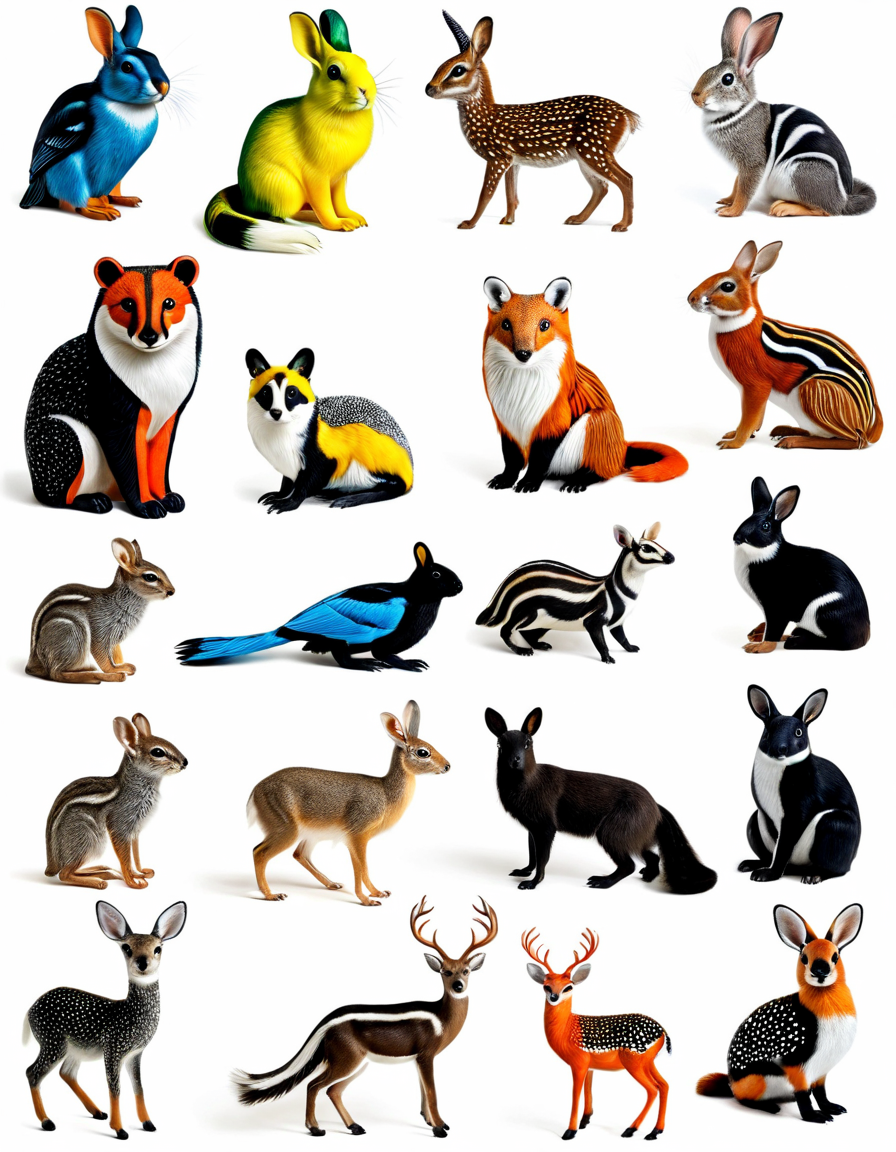
When we delve into the world of domestic animals, the influences of artificial selection are equally profound and transformative. Consider dogs: a popular example, showcasing how humans shape entire breeds to meet specific needs. From the elegant Greyhound, bred for speed, to the adorably stout Corgi, whose lineage stems from herding, these dogs reflect human desires and preference.
Yet, the backyard breeding practices raise questions about natural rights for animals. Groups like the American Society for the Prevention of Cruelty to Animals (ASPCA) advocate for prioritizing the welfare of these animals over societal whims. The ethical implications are far-reaching; does the desire for a cute dog justify breeding practices that lead to painful genetic conditions? Recognizing these concerns allows us to rethink our relationship with our furry companions.
Additionally, these practices extend beyond mere looks or abilities. The dog breeding industry embodies the collision of love and ethics, where every choice has consequences. As we pick our pets, we should also hold ourselves accountable for the traits we encourage and manipulate in these beloved creatures.
Real-World Applications of Operant Conditioning in Animal Training
Artificial selection goes hand-in-hand with methods like operant conditioning, especially in training animals for specific tasks. Take service dogs, for example. Organizations such as Canine Companions utilize operant conditioning techniques to refine the behavior of dogs for various roles, from guiding the visually impaired to aiding individuals with disabilities.
These trained dogs often not only come from breeds selected for their optimal traits but also learn skills that can make a world of difference for their human partners. The conjunction of genetic predisposition and conditioning allows for incredibly successful service animals, emphasizing the symbiotic relationship between breeding practices and training.
However, the successful application of operant conditioning doesn’t happen without sustained effort. Trainers emphasize consistency and patience to cultivate desirable behaviors. This combined approach of breeding and behavioral conditioning exemplifies the best of both worlds.
Negative Consequences of Overemphasizing Selective Traits
As with many advances, artificial selection bears risks that warrant attention. The rapid selection for traits like size and growth can lead to unforeseen health issues. For instance, in the poultry industry, companies like Purdue Farms and Tyson Foods have garnered attention for breeding chickens that grow incredibly fast. While consumers demand more meat, this selective pressure results in chickens prone to skeletal deformities and heart problems.
The ethical implications of prioritizing rapid growth over the health of these animals ignites critical conversations about our responsibilities. The pursuit of immediate gains can jeopardize the welfare of the creatures involved. Fast and easy doesn’t always translate into ethical.
Ultimately, these discussions challenge us to peek beyond yields and profits. What price do we pay for the meat on our tables? This is not just an agricultural issue; it’s a moral question, demanding scrutiny from consumers, policymakers, and agriculturalists alike.
Viewing Artificial Selection Through a Modern Lens: Biotechnologies in the 21st Century
Fast forward to the 21st century, where cutting-edge biotechnologies like CRISPR are reshaping artificial selection. This gene-editing technology opens doors for optimizing crops to withstand climate challenges. In 2026, researchers from the University of California, Davis, unveiled rice varieties enriched with vital nutrients, aiming to combat global hunger and improve agricultural productivity.
With CRISPR, scientists can engineer plants that are not only drought-resistant but also require fewer pesticides. This blends the efficiency sought through artificial selection with sustainability practices critical for our planet’s future. It’s a delicate dance of innovation and conservation, a path laden with hope for food security amid climate unpredictability.
Yet, as we embrace technological advancements, we must remain vigilant. The implications of genetic manipulation echo far beyond human benefits. With every step forward, we should remain committed to respecting the ecological systems that sustain us.
Innovative Wrap-Up: Rethinking Our Relationship with Nature
Artificial selection represents a pivotal shift in how humans interact with nature. As we optimize for traits that satisfy our needs, we must work diligently to address the ethical dilemmas that arise. Navigating this landscape requires a dedication to understanding and preserving the delicate balance of animal welfare and planetary health.
We stand on the precipice of a new era, one filled with incredible potential for innovation. However, our drive to harness these scientific breakthroughs must be accompanied by a commitment to responsibility. The future of our ecosystems relies on our ability to intertwine human interests with respect for the natural world.
As we move forward, let’s ask ourselves: how can we innovate while cherishing and honoring the intricate tapestry of life that sustains us all? The answers lie not just in advancements but in our commitment to thoughtful stewardship of the environment we hold dear. After all, isn’t that what it means to coexist in harmony with nature?
Artificial Selection: Transforming Nature’s Canvas
A Peek into Artificial Selection
Artificial selection, often referred to as selective breeding, is an astonishing process where humans influence the traits of plants and animals. This practice can lead to remarkable changes over generations. For example, did you know that the modern-day domestic dog descends from wolves? That’s right! Through careful breeding, dogs have evolved into over 340 distinct breeds, each showcasing various traits and temperaments. Much like how a filmmaker might choose specific actors—such as Leigh-Allyn Baker, well-known for her roles in family-oriented shows—breeders select traits they deem desirable.
The Impact on Flora and Fauna
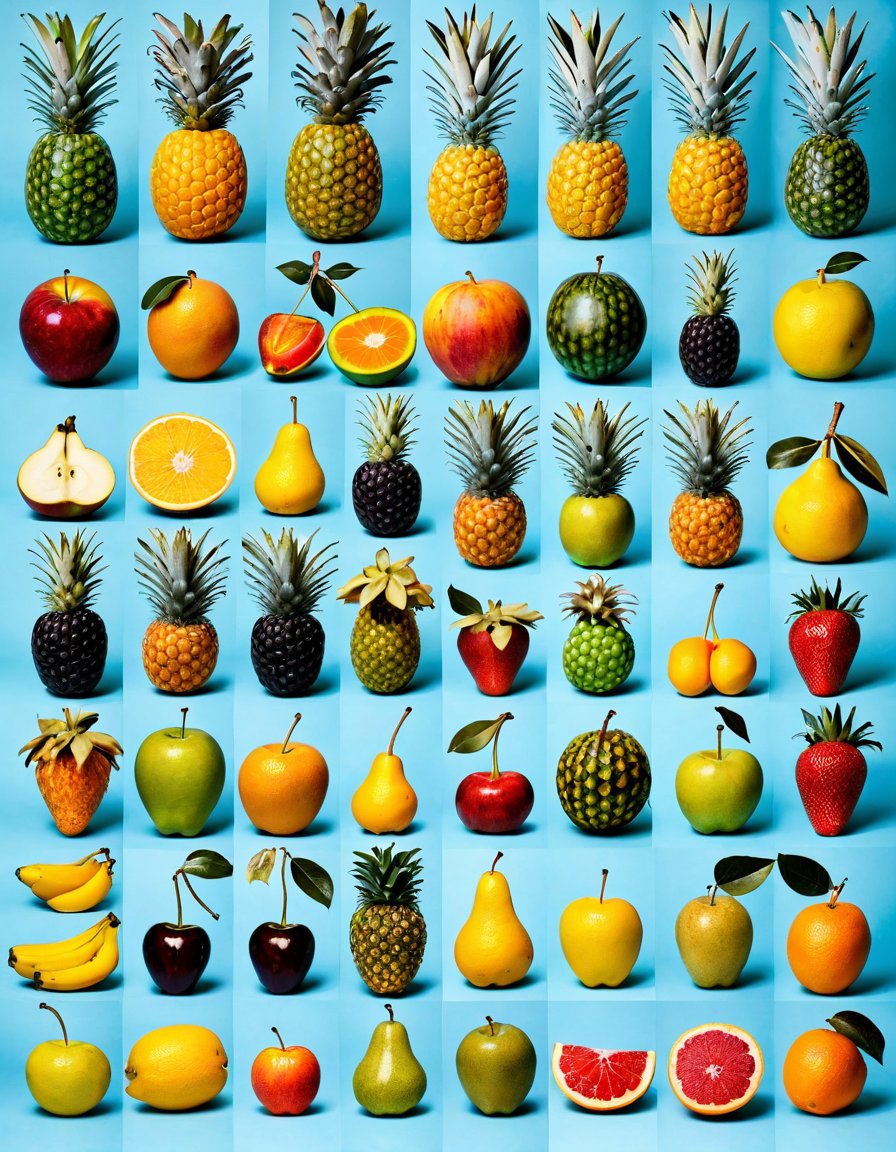
On the plant front, artificial selection plays a significant role in our agriculture. Fruits and vegetables we consume today are often a far cry from their wild ancestors. For instance, the tomato we enjoy in salads used to be small and bitter, transformed by farmers’ choices over centuries. Similarly, if you think of how word of mouth can spread news faster than a viral meme, think about how selective breeding has the same exponential effect on enhancing crop yields. Ever heard of the term single white female? This phrase not only refers to a film but also mirrors the narrow focus we can sometimes see in breeding—a single target trait evolving repeatedly.
Tracing the Threads of Change
While artificial selection has its perks, it raises questions about biodiversity. Genetic diversity is crucial, and when we favor certain traits, we may unwittingly diminish others. This concept can be likened to how the dramatic events in Legally Blonde 2 demonstrate the journey toward broader acceptance, paralleling the need for a balance in our ecological practices. For animal lovers and plant enthusiasts alike, knowledge is power; understanding the basics of genetic engineering can really transform your approach—like learning how to convert Webm To Mp4 for easy sharing!
Fun Facts to Ponder
Here’s a fun tidbit: The practice of artificial selection dates back more than 10,000 years—pretty mind-blowing, huh? That means it predates even the legendary tales of old! Nowadays, it’s not just about farming—people even breed exotic pets and aquarium fish like fancy goldfish or uniquely designed bettas. Just as one might enjoy mixed martial arts, eagerly awaiting the Ufc 5 release date, enthusiasts in various communities savor the possibilities of selecting traits for their passion projects. So next time you enjoy a delectable fruit or the companionship of a diverse range of pets, remember, artificial selection has had a hand in sculpting those delightful aspects of daily life!