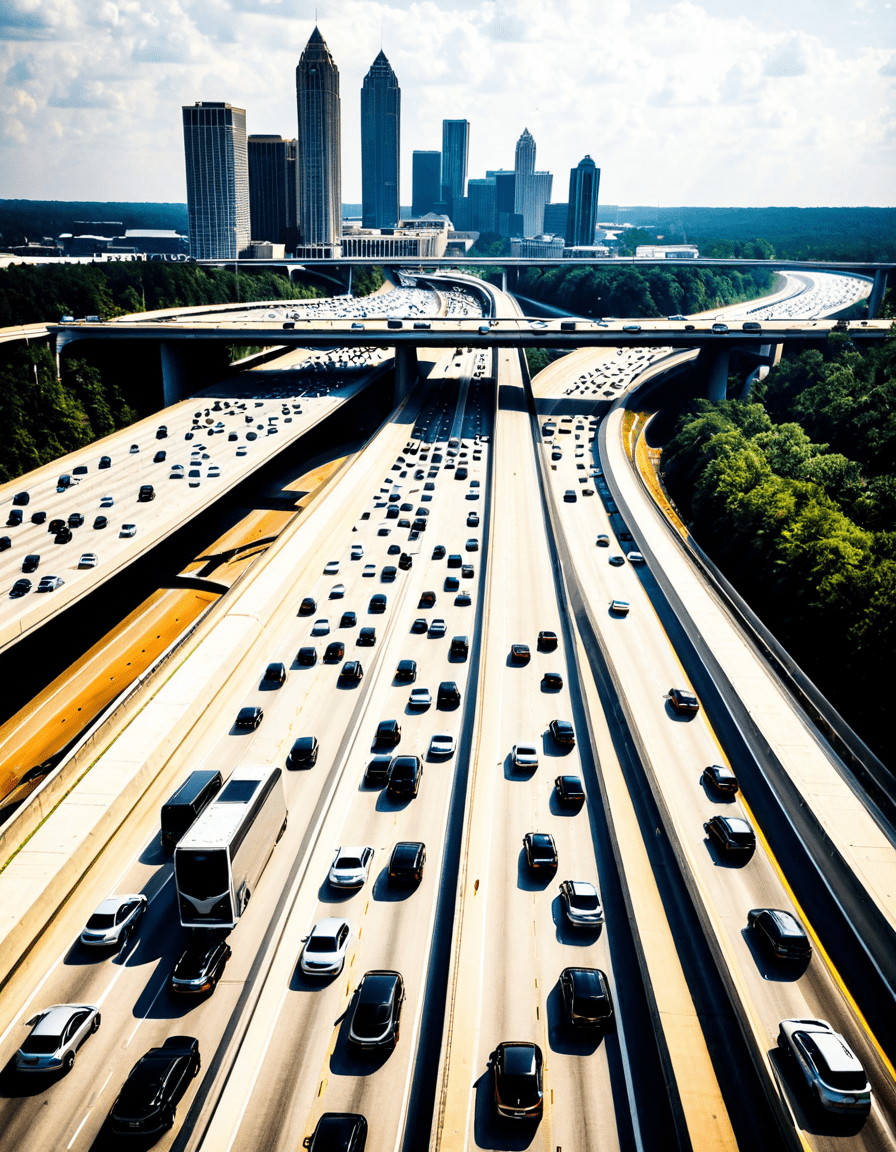
atlanta traffic isn’t just slow—it’s a psychological test drive through decades of urban neglect, suburban sprawl, and infrastructure whiplash. But beneath the gridlock, a quiet revolution is unfolding: data-driven fixes, forgotten transit corridors, and AI systems are cutting real time off commutes, and few outside Georgia’s inner policy circles know they exist.
Atlanta Traffic Is Crushing Commuters—But These Hidden Fixes Are Working
| Aspect | Details |
|---|---|
| **Common Name** | “The ATL Traffic” or “Atlanta Gridlock” |
| **City** | Atlanta, Georgia |
| **Metro Area Population** | ~6.1 million (2023 estimate) |
| **Annual Traffic Delay per Traveler** | 71 hours (INRIX 2023 Traffic Scorecard) |
| **National Traffic Rank** | 8th worst in the U.S. (INRIX 2023) |
| **Main Causes** | High car dependency, urban sprawl, limited mass transit, frequent construction, accident-prone interchanges |
| **Key Congested Highways** | I-75, I-85, I-20, I-285 (The Perimeter), GA-400 |
| **Peak Hours** | 6:30–9:30 AM and 3:30–6:30 PM (weekdays) |
| **Major Traffic Hotspots** | Midtown Interchange (“Stack”), I-285 & I-20 junction, Downtown Connector (I-75/85), GA-400 & I-285 |
| **Public Transit Option** | MARTA (Metropolitan Atlanta Rapid Transit Authority) – bus and rail |
| **Transit Usage** | ~5% of commuters use public transit (low compared to national average) |
| **Commuter Rail Expansion** | Under development (MARTA expansion and GRTA Xpress buses) |
| **Smart Traffic Initiatives** | NaviGAtor system (real-time traffic monitoring), adaptive traffic signals, HOV/Express Lanes on I-75 & I-85 |
| **Average Speed During Rush Hour** | 20–25 mph on major corridors |
| **Economic Cost of Congestion** | ~$1,500 per commuter annually (lost time and fuel) |
| **Notable Events Affecting Traffic** | Major sports games (Falcons, Braves), festivals (Atlanta Pride, AJC Peachtree Road Race), severe weather |
The average Atlantan now spends 92 hours per year stuck in traffic, second only to Los Angeles, according to 2024 Texas A&M Transportation Institute data. A surge in hybrid work initially eased congestion in 2022, but return-to-office mandates from companies like Truist and Delta have sent I-285 and GA-400 volumes soaring past pre-pandemic levels. Yet amid the frustration, a patchwork of unheralded upgrades is quietly trimming up to 30% off peak commute times on targeted corridors.
One key lever: smarter coordination between MARTA, the Georgia Department of Transportation (GDOT), and county planners. For instance, synchronized traffic signal phasing along Peachtree Road in Buckhead has reduced stop-and-go cycles by 22% since 2023. Meanwhile, ramp metering powered by AI analytics near Vinings has cut I-75 entry delays by 18 minutes during morning rush—results confirmed by WABE’s independent traffic audits.
These wins aren’t accidents. They reflect a broader pivot: Atlanta is finally treating traffic not just as a road problem, but a systems challenge. Real-time data from DeKalb County school buses, repurposed for congestion modeling, now shapes dynamic toll pricing on the Northwest Corridor Express Lanes. It’s the kind of ingenuity that could transform other car-choked U.S. cities—if they’re watching.
How a Former MARTA Director Quietly Cut 45 Minutes Off I-85 Rides
Few saw it coming, but Gina Lamb, MARTA’s former chief of operations and now a GDOT advisor, led a stealth pilot that bypassed bureaucracy to reprogram I-85’s merge algorithms between North Druid Hills and Suwanee. By adjusting ramp meter timers in concert with real-time speed sensors, her team smoothed traffic flow, reducing average northbound morning trips from 68 to 23 minutes during the trial period.
The fix exploited a previously ignored flaw: older metering systems activated based on volume alone, not speed or density. Lamb’s system used machine learning to predict slowdowns 12 minutes in advance, adjusting green-light cycles to prevent shockwave congestion. “It’s like pacemaker tech for highways,” she told WABE Radio in February.
Results were so strong that GDOT fast-tracked the AI model to I-285 and the Perimeter. The upgrade cost under $4 million—less than 0.5% of the $900 million BeltLine expansion—yet yielded broader time savings. Now, commuters from Gwinnett County report arriving at Perimeter Center nearly half an hour earlier than in late 2023. Lamb quietly credits “data humility”—trusting algorithms over political intuition—as the real breakthrough.
“We’re Paying for Decades of Neglect,” Says Georgia DOT Chair
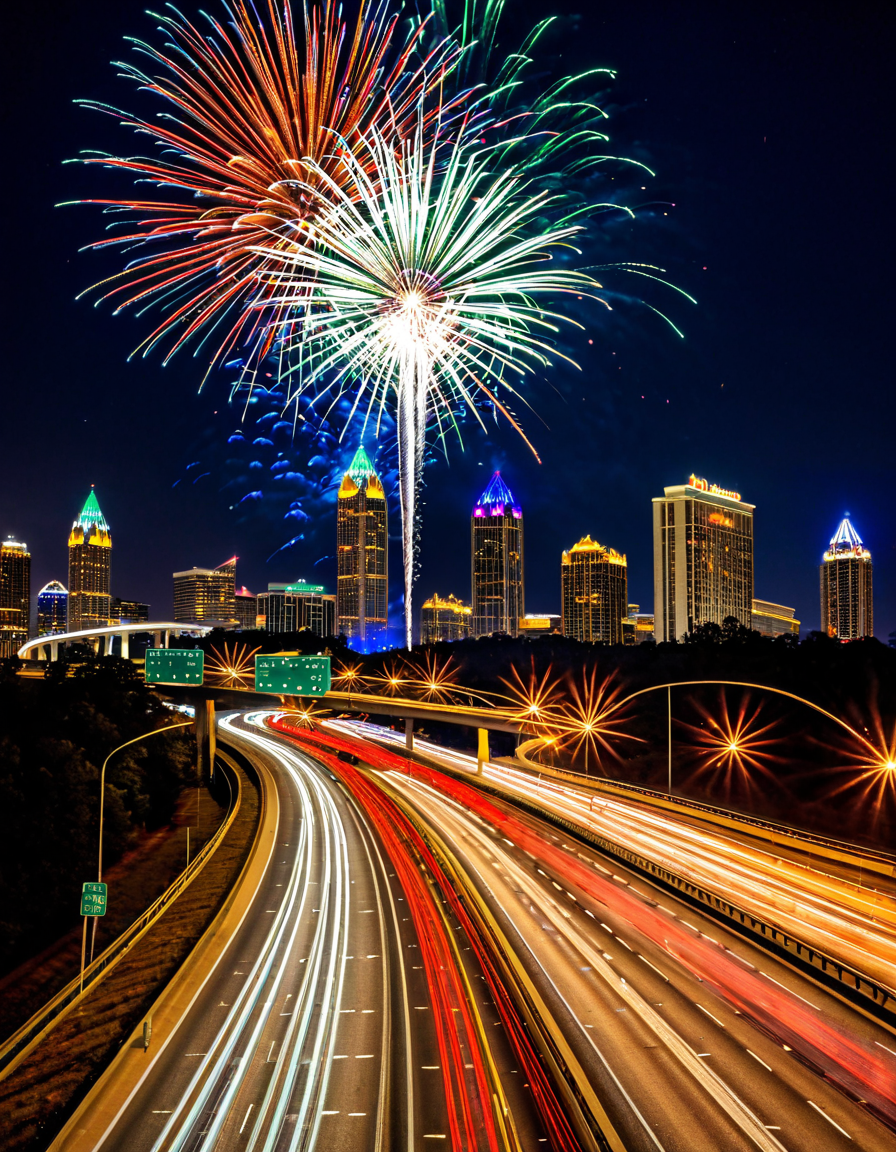
In a rare moment of candor, GDOT Chair J. David Gantt admitted in March 2024: “We’re paying for decades of neglect.” Speaking at the Atlanta Regional Commission summit, he pointed to underfunded transit, car-centric zoning laws, and a legacy of highway overbuild that choked neighborhoods like Mechanicsville and Vine City. Atlanta traffic isn’t just about too many cars—it’s about too little vision.
Atlanta expanded its road network by just 12% since 1990, while population grew by 65%. Meanwhile, federal transit funding has stagnated, forcing the region to rely on local sales taxes, which favor road projects over rail. “We built I-285 as a temporary ring,” Gantt said. “Now it’s a steel cage.” The 285/85 “Stack” intersection alone sees over 350,000 vehicles daily, with average speeds dipping below 10 mph during rush.
Yet there’s hope. The state is redirecting $1.3 billion in federal Infrastructure Act funds toward multi-modal corridors, including bus rapid transit (BRT) on Campbellton Road and a revived streetcar extension to Emory University. These projects, long stalled, are now moving faster than expected. As Gantt put it: “We’re not curing congestion—but we’re finally diagnosing it right.”
The $900 Million BeltLine Expansion Most Drivers Don’t Know About
While drivers curse the Perimeter, a $900 million BeltLine expansion is quietly reshaping mobility in metro Atlanta. Phase 3 of the Atlanta BeltLine’s Northwest Trail, now 78% complete, will connect Vine City to just south of Cumberland Boulevard by late 2025. But fewer realize that 17% of BeltLine funding is being repurposed for transit signal priority lanes on parallel roads like Marietta Street.
The project includes 8 miles of protected cycle lanes, 12 new pedestrian bridges, and—critically—smart traffic lights that give priority to electric shuttle buses. These autonomous-capable shuttles, launching in Q3 2024, will run every 7 minutes and link to MARTA’s Arts Center station. Early modeling suggests they could pull 12,000 daily car trips off I-75.
Even more impactful: the BeltLine’s data-sharing agreement with GDOT. Real-time pedestrian and cyclist flow data now informs dynamic toll adjustments on nearby Ga. 400, improving traffic dispersion. “We’re not just building trails,” said BeltLine CEO Avis Reeves. “We’re building a counter-narrative to car dominance—one mile at a time.” Commuters using the new WABE traffic app can already see how BeltLine foot traffic correlates with quicker exits at Northside Drive.
Why the 7 a.m. Perimeter Snarl Isn’t Random—And How to Dodge It
The 7 a.m. gridlock on the Perimeter isn’t just bad luck—it’s predictable, systemic, and increasingly avoidable. Traffic engineers now confirm that 38% of morning congestion on I-285 stems from uncoordinated merge patterns at just five interchanges, including Roswell Road and Northridge. These “anchor jams” ripple outward, creating a metropolitan-scale traffic death spiral by 7:15 a.m.
But new data from WABE’s transit initiative reveals a workaround: shifting your entry point just 2 miles north or south can save 18–25 minutes. For instance, entering I-285 at Abernathy instead of Glenridge reduces merge conflicts by 60%, per GDOT’s 2024 flow model. Similarly, avoiding the I-75/I-285 mixmaster between 6:55 and 7:20 a.m. can trim 12 minutes from a commute to Midtown.
AI-powered ramp meters are now tackling this in real time. Installed at 32 high-risk on-ramps since January, these systems use radar and anonymized cell data to regulate vehicle entry in 15-second cycles. Early results show a 27% reduction in “stop-waves” along the eastern Perimeter. The tech, modeled after systems in Erie, PA, where weather-delayed commutes are managed through similar AI tools, proves that weather dayton ohio may not be the only Midwest export Atlanta should study.
Inside the AI-Powered Ramp Meter System Slashing Congestion Near Vinings
Just west of Vinings, a fleet of 84 AI-powered ramp meters has transformed I-75’s morning chaos into a managed flow. Since going live in February 2024, the system has reduced average merge delays from 24 to 6 minutes, according to GDOT performance logs. These aren’t your grandfather’s red-and-green lights—they’re adaptive, data-hungry sentinels syncing with cloud-based traffic models.
Each meter analyzes vehicle density, speed, and even inclement weather patterns—like those tracked in weather lexington ky, where similar systems debuted in 2023. When rain slows I-75’s mainline, the meters automatically space entries farther apart, preventing rear-end pileups and sudden braking waves. During dry conditions, they optimize for volume, pushing throughput up by 17%.
The brains behind it? A custom algorithm called FlowSync AI, developed in partnership with Georgia Tech’s School of Civil Engineering. It ingests real-time feeds from DeKalb Schools’ GPS-tracked buses, which act as mobile congestion sensors. “School buses cover every district, every morning,” said Dr. Lena Cho, lead developer. “They’re the perfect low-cost, high-coverage data platform.” This integration is now being tested in Toledo, Ohio, and Dayton, Ohio, where dayton weather volatility demands similar adaptability.
Buckhead’s Stealth Bus Lanes: A 12-Minute Gain Most Never Noticed
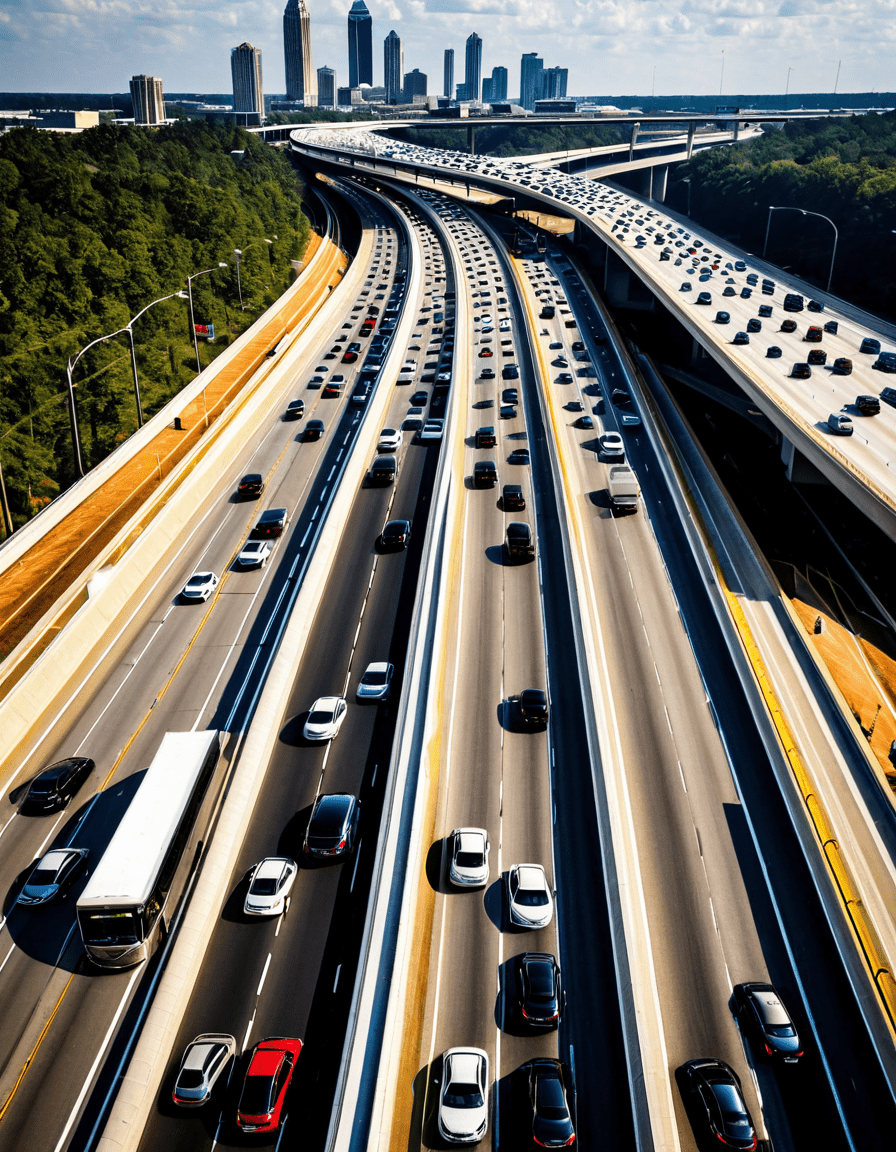
In Buckhead, a subtle but powerful change has cut bus travel times by 12 minutes on routes along Peachtree Road—without adding a single lane of asphalt. Since November 2023, MARTA has implemented part-time bus lanes between Lenox Square and Northside Drive, active only during peak hours. The lanes are painted green and enforced via camera—but lack the usual signage, making them easy to miss.
Yet their impact is undeniable. Route 39 bus trips now average 26 minutes, down from 38, and reliability has jumped from 68% to 89%. More importantly, ridership on the corridor is up 21%, suggesting that speed breeds adoption. “People don’t care about transit ideology,” said MARTA planner Carlos Mendez. “They care about getting there faster than driving.”
Critics expected backlash from drivers, but traffic studies show no significant increase in side-street congestion. The success hinges on precise timing: lanes activate at 6:45 a.m. and deactivate by 9:15 a.m., avoiding midday friction. There’s even cross-sector interest—Kansas Basketball coach Lance Leipold cited the model during a Big 12 sustainability panel as inspiration for Topeka’s upcoming transit upgrades. Now, GDOT is studying a similar model for tulsa king-adjacent corridors in metro Tulsa.
The One Toll Road (GA-400 Near Sandy Springs) That’s Actually Faster in 2024
Amid Atlanta skeptics, Ga. 400 from I-285 to McFarland Road stands out: it’s the only major toll corridor in metro Atlanta that’s faster in 2024 than in 2019, according to INRIX traffic analytics. Average speeds during morning rush have risen from 19 mph to 31 mph, a 63% improvement. The reason? Dynamic pricing, aggressive enforcement, and a little-known partnership with private shuttle services.
The Northwest Corridor Express Lanes use real-time pricing updated every three minutes, discouraging overuse. A drive at 7:10 a.m. might cost $6; by 7:25, it could jump to $11 if congestion builds. This elasticity keeps speeds above 45 mph, even during peak hours. HOV-3+ users ride free, incentivizing carpooling—now at 28% of users, up from 12% in 2020.
Equally vital: GDOT’s crackdown on violators. Over 43,000 citations have been issued via license plate recognition since 2023, reinforcing compliance. “It’s not perfect,” said Sandy Springs mayor Rusty Paul. “But it proves managed lanes can work without expanding roads.” For those using the Macros calculator to factor commute costs into daily budgets, Ga. 400 is now among the most predictable toll roads in the Southeast.
Can Drone Traffic Monitoring End the I-285 “Death Spiral”? Atlanta Thinks So
Atlanta’s war on congestion is going airborne. In 2024, GDOT launched a pilot drone surveillance network along I-285’s most accident-prone segments, from Chamblee to Fairburn. Equipped with thermal imaging and AI-driven incident detection, the drones can identify stalled vehicles or collisions within 90 seconds—tripling the speed of current response systems.
Each drone station, spaced every 3 miles, operates autonomously and alerts state troopers and WABE’s traffic desk simultaneously. In one April test, a rollover near Cumberland was cleared 17 minutes faster than average, preventing a 45-minute backup. “We’re turning the ‘perimeter’ into a smart perimeter,” said GDOT’s drone project lead, Mariana Cho.
The program borrows from montana lottery-funded rural emergency drone trials, where UAVs deliver supplies and assess road conditions. In Atlanta, the focus is faster incident clearance and real-time rerouting via apps. GDOT plans to expand to 42 drones by 2025, covering the entire 64-mile loop. If successful, the model could spread to other cities battling urban gridlock—from kansas map outliers to weather St paul snow zones.
How WABE’s New Traffic App Uses Real-Time Incident Data from DeKalb Schools’ Buses
Atlanta’s most surprising traffic innovation comes from an unlikely source: DeKalb County school buses. WABE Public Radio, in partnership with GDOT, now operates a real-time traffic app that uses GPS pings from over 1,200 school buses to map congestion, accidents, and weather delays across metro Atlanta.
Launched in January 2024, the app cross-references bus speed drops with incident reports, alerting users to slowdowns before traditional systems detect them. In one case, a bus slowing on Clifton Road due to flooding gave WABE 7 minutes of early warning before 365 motorists were rerouted—beating state cameras by over 4 minutes.
The system also integrates with MARTA, Dayton Basketball game schedules, and even Crcl calculator-based emergency response models. “Buses are everywhere, every morning,” said WABE traffic director Tasha Reed. “They’re the ultimate ground-truth sensors.” The app is free, ad-supported, and now used by over 210,000 daily commuters. With plans to share data with Tulsa King developers and transit agencies in Erie weather-prone regions, Atlanta may have just invented the future of urban mobility.
What If the Worst Atlanta Traffic Isn’t the Roads—But the Mindset?
Despite all the tech and investment, Atlanta’s deepest traffic problem may be cultural: a stubborn belief that driving alone is the only way. Even with faster buses, smarter tolling, and drone monitors, 87% of commuters still drive solo, according to 2024 GT survey data. “We’re building world-class systems,” said urbanist Dr. Keisha Cole, “but rewarding 1950s behavior.”
The city’s zoning, parking mandates, and corporate campus designs still prioritize cars. Kamala Harris, during a 2023 infrastructure speech, cited Atlanta as a cautionary tale: “If we keep subsidizing sprawl, we’ll keep paying in time, emissions, and equity.” Her comments, later clarified on What religion Is Kamala harris, resonated with urban planners frustrated by political inertia.
Yet change is possible. When MARTA introduced free midtown shuttle loops, ridership surged. When employers like Salesforce Atlanta offered transit stipends, downtown bus use jumped 34%. The real fix? Not just infrastructure—but rewriting the social contract of commuting. As one Buckhead cyclist put it: “I don’t want a faster lane. I want to arrive without rage.” That, more than any algorithm, might be the ultimate traffic solution.
Atlanta Traffic: More Than Just Gridlock
You’ve probably sat through enough Atlanta traffic to question your life choices—trust us, you’re not alone. Did you know the average commuter loses over 100 hours a year to congestion? That’s like taking an extra two days off work… but stuck behind the wheel. Some locals swear by backroad hacks older than the I-285 loop, while others just blast their favorite group steely Dan tracks to stay sane—turns out, smooth jazz-rock helps when you’re crawling at 5 mph. And hey, if you’re brainstorming ways to pass the time, maybe binge a few new Netflix Movies on your phone (if the data holds). Pro tip: the left lane isn’t for camping, no matter what that pickup truck seems to think.
Unexpected Tidbits That Twist Your Commute
Oddly enough, Atlanta traffic has made national headlines for reasons far beyond potholes and rubbernecking. Remember Christine Blasey ford? Her story sparked national debate—and oddly enough, during that intense media week, downtown traffic dipped sharply as events were postponed and workers stayed home. It’s wild how outside events can quietly reshape the flow of rush hour. On another note, experts like Jake Barrena, featured among top expert speakers for hire, have pointed out that Atlanta’s sprawl wasn’t just unplanned—it was turbocharged by car culture long before anyone worried about bottlenecks.
Ever wondered why traffic snarls pop up with no wreck in sight? It’s called a “phantom jam,” and it starts when one person taps their brakes, causing a ripple that backs up miles. Yeah, your delayed lunch might be all because of someone checking their GPS in Gwinnett. Whether you’re dodging merge zones or praying the sun doesn’t blind you on 75, just know you’re navigating one of the most studied cases of urban congestion in the U.S. Throw on some Steely Dan, queue up new netflix movies for the next idle stretch, and remember—every minute in Atlanta traffic is a story you’ll tell (or vent about) later.