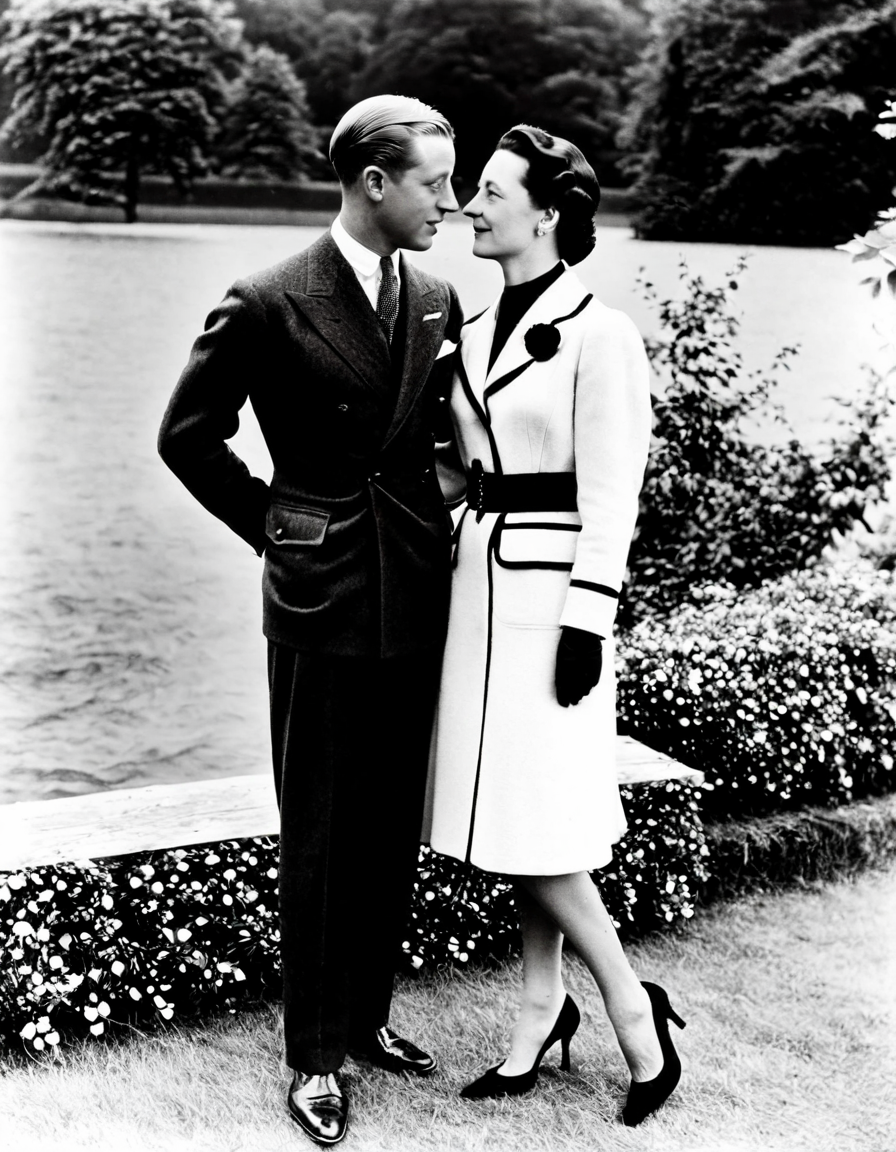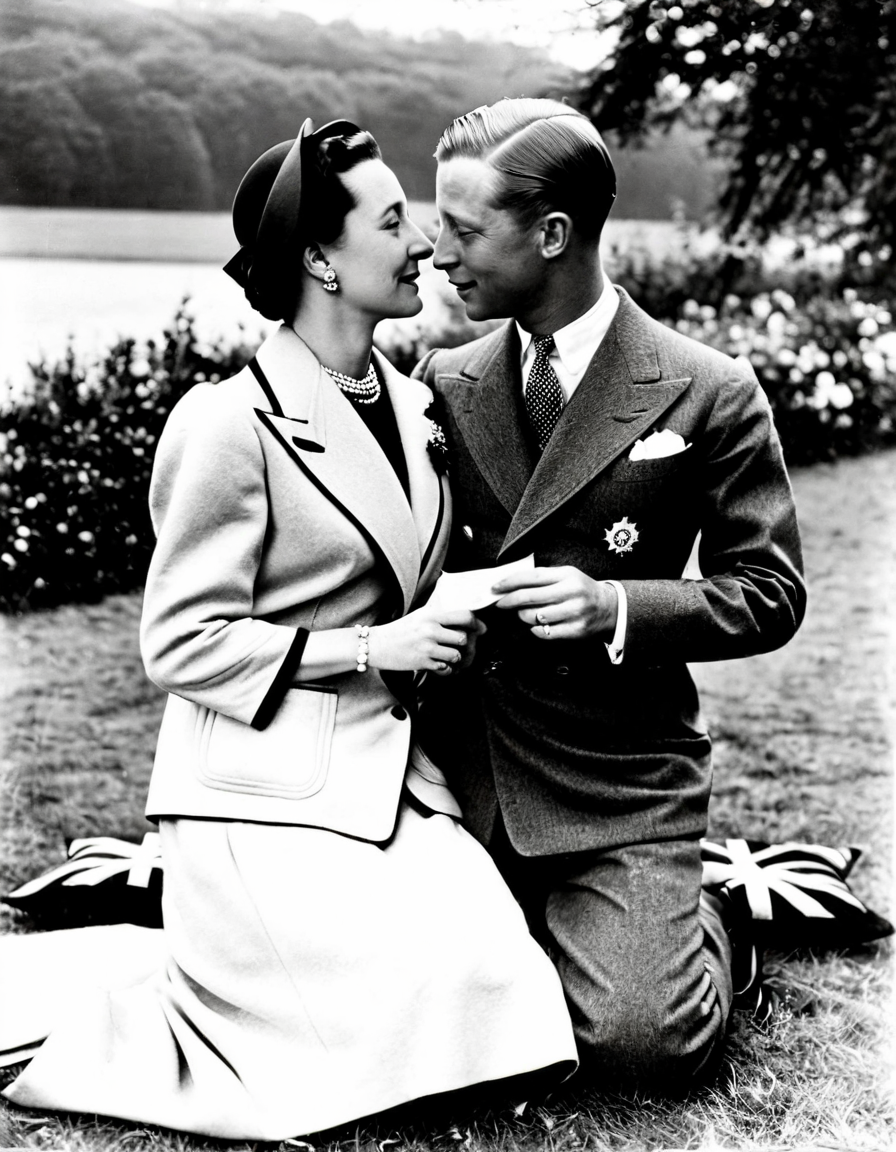
Edward VIII’s decision to abdicate the British throne in 1936 for love is a tale that still sparks debate and intrigue today. Choosing American divorcée Wallis Simpson over his royal responsibilities was a moment steeped in personal and political turmoil, forever altering the course of British history. This compelling narrative not only reveals Edward’s journey but draws noteworthy parallels with other historical figures like Josephine Bonaparte and King Henry VIII. Let’s explore seven ways Edward VIII’s choice echoes throughout the ages.
1. The Tension Between Love and Duty
Edward VIII stood at a crossroads, where he faced immense pressure to put duty before love. Much like King Henry VIII, who broke away from the Catholic Church to marry Anne Boleyn, Edward’s choice was fraught with implications. He had to weigh the expectations placed upon him as a monarch against his desire for personal happiness. Edward’s decision ignited a series of controversies that shook the British monarchy to its core, reminiscent of Henry’s tumultuous reign and the fallout with the church.
Edward’s pursuit of love over obligation ignited debates that transcended dynasties. The romantic saga not just transformed Edward into a reluctant figure of rebellion but also showcased how love can stir up societal norms. The stakes were high, but Edward’s willingness to gamble everything for personal contentment set a precedent—one that hints at the enduring dichotomy between leadership and love.

2. The Role of Public Opinion
What the public thinks often shapes the destiny of leaders. As Edward VIII pursued Wallis Simpson, public sentiment hung in the balance, creating waves of admiration and criticism alike. Much like Josephine Bonaparte, who faced public scrutiny during her marriage to Napoleon, Edward’s romance was met with turmoil as it collided with societal expectations.
Public opinion became a double-edged sword; it could elevate or destroy royal aspirations. Edward’s trajectory mirrored Josephine’s struggle, as both navigated the tumultuous waters of love against the backdrop of royal duty. The echoes of public sentiment shaped not only their personal lives but also the broader fate of nations they represented.
3. The Effect on Succession
Edward VIII’s personal choices had significant implications for the line of succession to the throne, echoing similar troubles faced by King Henry VIII. Henry’s quest for a male heir led him into a series of marriages that impacted the future of England’s monarchy. Edward’s abdication meant that George VI would step in, marking a dramatic shift in royal leadership.
This influence on succession stirred the pot of royal intricacies and transformed public perception of what monarchy could or should be. Edward’s leap of faith not only altered the line of succession but also highlighted the idea that personal choices carry the weight of national ramifications. The domino effect of his decision resonates deeply in royal history.
4. The Legacy of Choice
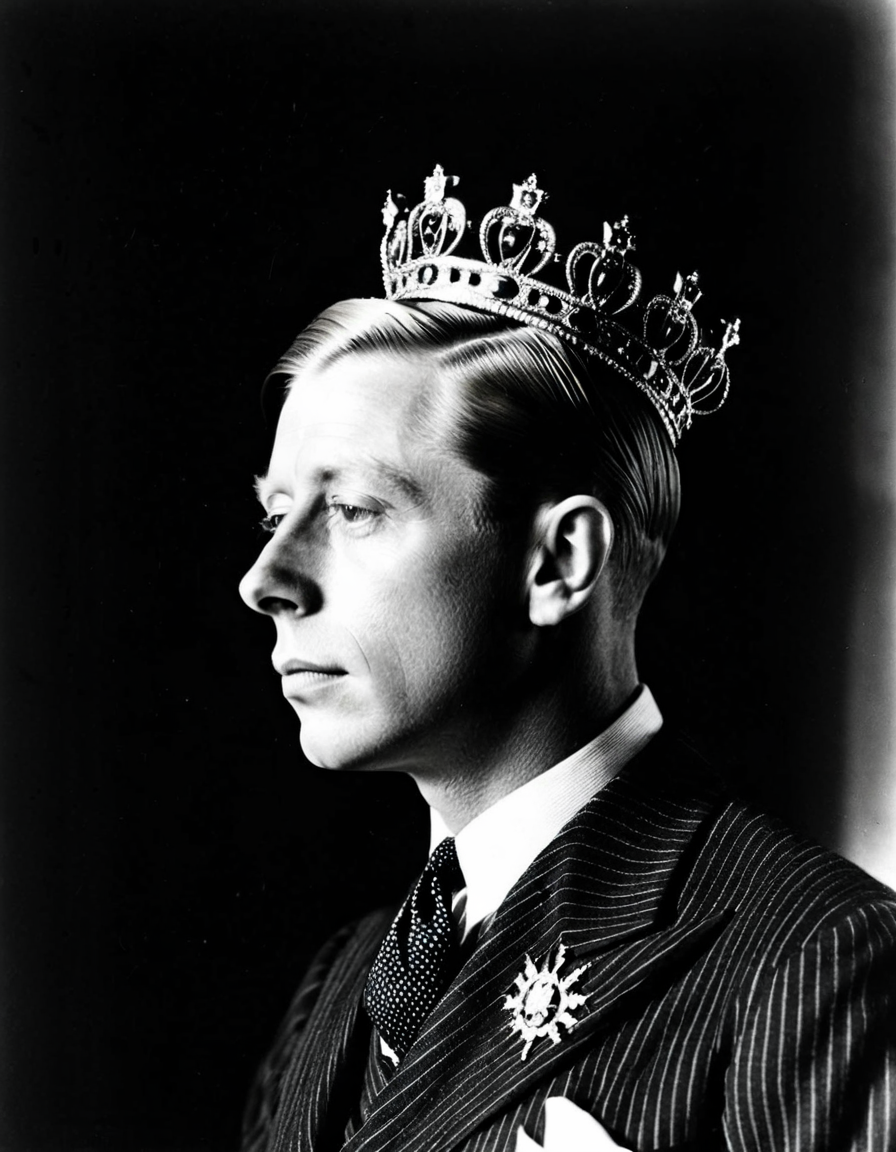
In prioritizing love over crowns, Edward ignited a discourse surrounding personal choice and leadership. This compelling narrative echoes the tale of Arthur, the King, whose legendary romantic pursuits speak to similar themes. Both figures illustrate the struggles between personal desires and the weight of leadership responsibilities.
This legacy compels us to think about the price of love and whether it is ever worth it in the context of royalty. By making his choice, Edward carved a path that questioned what it really means to be a monarch. He showed that love could indeed redefine leadership.
5. Power & Isolation
The choices each leader makes can lead them down a path of isolation. Edward VIII found himself distanced from family and allies, while King Henry VIII’s decisions caused rifts that echoed throughout his court. The isolation Edward faced after abdicating was a stark reminder that the pursuit of personal happiness often comes at a price.
This disconnection highlights the personal consequences of royal decisions. In choosing love, Edward lost not only his crown but also the support network that came with it. Isolation became a profound theme in both their narratives, emphasizing the sad reality that personal choices can reverberate beyond their immediate context.
6. The Role of Women in Power Dynamics
Wallis Simpson’s role in Edward VIII’s life ushered in a conversation about women’s influence within royal dynamics, drawing striking parallels to Anne Boleyn. Both women challenged the status quo and became pivotal players in the stories of their respective eras. Their influence raises questions about how love can act as a catalyst for monumental change.
Wallis, like Anne, brought forth a new conversation in royal circles, one that shifted the paradigm of women’s roles in historical narratives. Their ability to navigate personal desires within the labyrinth of political landscapes reshaped how women are viewed in history. Their stories reveal that love is often interwoven with power and agency.
7. The Concept of Royal Sacrifice
At the core of Edward VIII’s decision lies the poignant theme of sacrifice—an age-old narrative in British royal history. Just like Henry VIII sacrificed his relationship with the Pope for Anne, Edward relinquished his throne for Wallis, reframing what it means to be a monarch.
Edward’s abdication has led to a deeper understanding of royal duty and the fine line one walks when balancing personal desires with obligations. It’s a lesson that challenges our views on both love and sacrifice in leadership. His choice solidified the idea that sometimes, love can lead to the most radical shifts in power.
Analyzing the Ongoing Impact of Edward VIII’s Decision
The echoes of Edward VIII’s abdication resonate through time, providing a unique lens through which we can examine the interplay between personal choices and historical outcomes. As the monarchy continues evolving, Edward’s story informs current discussions about the relevance of royal narratives. Where love once led to abdication, it now inspires fresh perspectives on royal duty in contemporary society.
Edward VIII’s leap into the unknown teaches us about the complexities of love amidst duty. His legacy encourages us to reflect on how far one should go in the name of love, reshaping our understanding of history and monarchy itself. In today’s world, where personal fulfillment often clashes with societal expectations, Edward’s story remains remarkably relevant.
In this drama of love and consequence, one thing is certain: the tale of Edward VIII is not just a chapter in history, but a timeless narrative that illustrates the delicate balance between duty and desire. Whether you view him as a romantic hero or a misguided monarch, his story captures the human spirit’s struggle for happiness. It’s a captivating reminder of the choices that can shape destinies, both personal and national.
Edward VIII: The King Who Chose Heart Over Crown
The Prince and His Love Story
Edward VIII’s reign was like a whirlwind romance, filled with dramatic turns and unexpected choices. He made headlines not just as king, but as a man totally smitten by Wallis Simpson, an American divorcée. His love story sparked enormous controversy, leading to his historic abdication in 1936. In a decision reminiscent of a game of duck duck goose, where one must choose their chase carefully, Edward chose love and freedom over the throne—defying royal tradition at a time when societal norms were rigid. Interestingly, Wallis Simpson was not accepted lightly by the British establishment, which made Edward’s choice seem even more rebellious.
Quirky Edward VIII Facts
Did you know Edward VIII was the first monarch to fly in an airplane? Yep, he took to the skies before many even thought about air travel! This adventurous spirit reminds us of modern-day explorations, such as those captured in Doctor Strange where realms unfold, and the unexpected happens. Moreover, this royal wasn’t just about grandeur; he had hobbies that made him quite relatable. During his reign, he often indulged in leisurely pursuits, reflecting a penchant for the ordinary – like spending time outside rather than stuck in stuffy palace walls. Picture him enjoying an afternoon much like a family outing at a local zoo, perhaps watching a bear munch on something as peculiar as ducklings, a reminder of nature’s wild side at the Woodland Park Zoo.
Legacy and Lasting Impact
Edward VIII’s abdication shaped not only his life but also the future of the British monarchy. His decision paved the path for his brother, George VI, and led to a different but intriguing legacy. Nowadays, many still debate the impact of his choices, much like discussing the latest gossip in Hollywood regarding actors like Sam Skarsgard and their own controversial roles. It’s fascinating how history mirrors today’s conversations, with love and loyalty often clashing against public expectations. Just like a good story – take El Hobbit: Un Viaje Inesperado, where characters face tough choices – Edward VIII left a tale that reminds us love sometimes takes precedence over duty. His life continues to captivate, providing lessons on the complexities of personal desires and public expectations.